
Shaded Fuel Breaks in Austin TX
What Is a Shaded Fuel Break?
A shaded fuel break is a strategically managed strip of land where trees and brush are selectively thinned to slow the spread of wildfire. Unlike clear-cutting, a shaded fuel break preserves mature canopy trees for shade and aesthetics while removing the ladder fuels — understory brush, dead branches, and dense thickets — that allow ground fires to climb into tree crowns. The result is a defensible zone that reduces fire intensity without sacrificing the character of your landscape.
Austin Tree Experts designs and installs shaded fuel breaks for residential properties, homeowner associations, and municipal clients across the Austin metro area. Our ISA Certified Arborists evaluate each site individually, identifying which trees to retain and which vegetation poses the greatest fire risk. This targeted approach is both ecologically responsible and far more effective than indiscriminate clearing.
Our Fuel Break Process
Every shaded fuel break project begins with a thorough site assessment. One of our Certified Arborists walks the property to evaluate topography, vegetation density, tree species composition, proximity to structures, and prevailing wind patterns. From this assessment we develop a written fuel management plan that specifies exactly which trees and brush will be removed and which will be retained.
- Site assessment — Arborist evaluation of vegetation, topography, and fire exposure
- Selective thinning — Removal of fire-prone species and dense understory while preserving desirable shade trees
- Brush and debris clearing — Elimination of dead wood, leaf litter accumulation, and ladder fuels from ground to canopy
- Crown spacing — Pruning and thinning to create separation between tree crowns, preventing crown-to-crown fire spread
- Debris disposal — All cleared material is chipped on site or hauled away; mulch can be spread on site for erosion control
- Maintenance plan — Fuel breaks require periodic re-clearing; we provide scheduled follow-up service to keep your break effective
Wildfire Risk in Central Texas
Central Texas faces increasing wildfire risk. The combination of prolonged drought, high summer temperatures, and expanding development into the wildland-urban interface (WUI) has made wildfire preparedness essential for property owners in western Travis County, Williamson County, and the Hill Country. The 2011 Bastrop Complex fire destroyed over 1,600 homes and burned more than 32,000 acres — a stark reminder that wildfire is not a distant threat in this region.
Ashe juniper, commonly called cedar, is one of the most significant fire fuels in the Austin area. Its volatile oils, dense growth habit, and tendency to accumulate dead material within the canopy make it extremely flammable. Properties with heavy cedar stands, particularly on slopes, are at elevated risk. Our fuel break work frequently involves thinning Ashe juniper while retaining native hardwoods like live oak, Texas red oak, and pecan that are more fire-resistant and provide superior shade and ecological value.
WUI areas in Austin — including neighborhoods along Loop 360, in the Barton Creek corridor, Steiner Ranch, Bee Cave, Lago Vista, Jonestown, and much of western Travis County — benefit the most from shaded fuel break installation. If your property backs up to undeveloped land, greenbelt, or canyon terrain, a fuel break between the wildland and your structures is one of the most effective steps you can take to protect your home.
Why Choose Austin Tree Experts
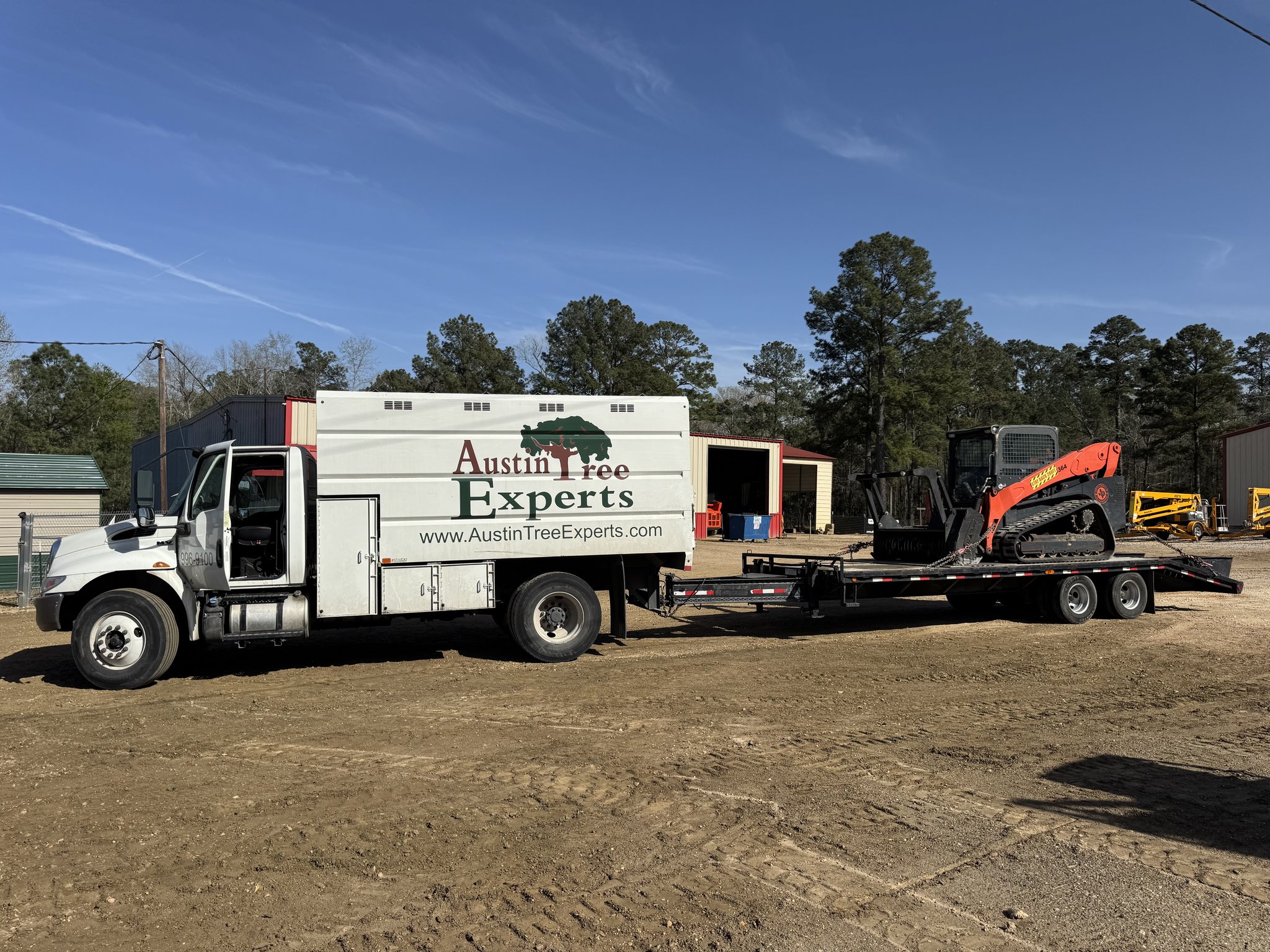
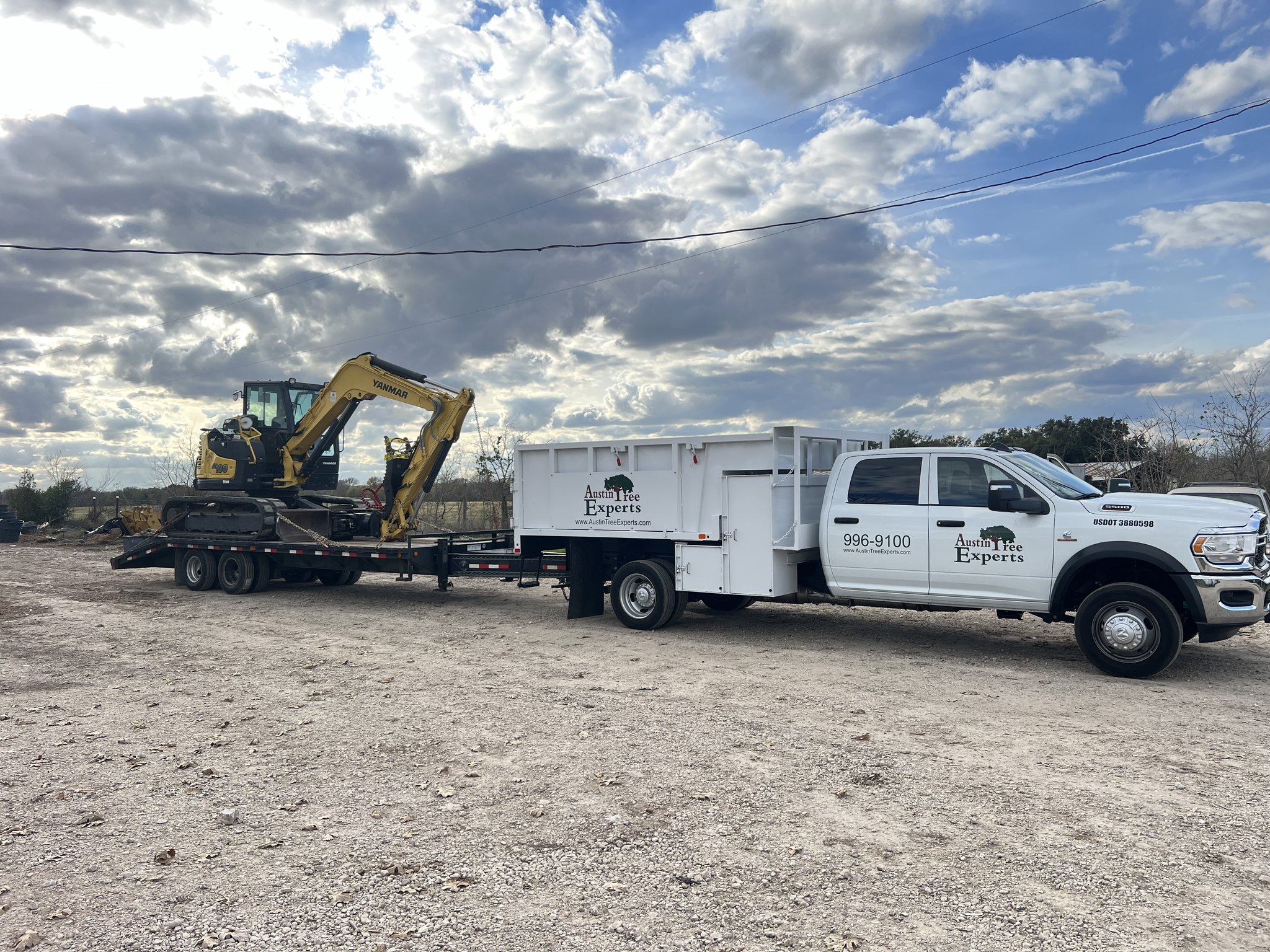
Austin Tree Experts has served the Austin area since 2003 and brings deep knowledge of Central Texas ecology to every fuel break project. Our team includes ISA Certified Arborists who understand the science of fire behavior and tree biology — critical expertise for making the right decisions about what to remove and what to keep. We operate heavy equipment for large-scale clearing and have the crew capacity to handle projects ranging from a single residential lot to multi-acre HOA or municipal properties.
The difference between a well-designed fuel break and a poorly executed one is significant. Removing too much vegetation exposes soil to erosion, eliminates shade, and degrades habitat. Removing too little leaves dangerous fuel loads in place. Our arborists strike the right balance — reducing fire risk while maintaining the health and beauty of your property’s tree canopy.
Frequently Asked Questions
How wide should a shaded fuel break be?
Width depends on slope, vegetation type, and proximity to structures. A typical residential fuel break ranges from 30 to 100 feet wide. Steeper slopes and denser vegetation require wider breaks. Our arborists will recommend the appropriate width based on your specific site conditions and fire exposure.
Will a fuel break make my property look barren?
No. A shaded fuel break is designed to preserve your best trees and maintain canopy cover. The primary targets for removal are dense brush, dead material, and fire-prone species like Ashe juniper growing in the understory. After treatment, most properties look cleaner and more park-like while retaining full shade from mature hardwoods.
How often does a fuel break need maintenance?
In Central Texas, brush regrowth — especially Ashe juniper — can fill in a cleared area within two to three years. We recommend annual inspections and maintenance clearing every one to three years depending on regrowth rate and vegetation type. We offer scheduled maintenance programs to keep your fuel break effective long term.
Do I need a permit for brush clearing or tree removal?
Within Austin city limits, removal of protected-size trees requires a permit. Heritage trees have additional protections. Cedar removal generally does not require a permit, but regulations vary by jurisdiction. Austin Tree Experts manages all required permitting and can advise you on local ordinances in Travis County, Williamson County, and surrounding municipalities.
How much does a shaded fuel break cost?
Cost depends on the size of the area, density of vegetation, terrain, and whether the project involves primarily brush clearing or also includes selective tree removal. Residential projects on a standard lot differ significantly from multi-acre HOA or municipal properties. We provide free on-site assessments where our arborist evaluates the scope of work and provides a clear estimate. Call (512) 996-9100 to schedule yours.
Related Services
- Tree Removal — Hazardous or fire-prone tree removal of any size
- Tree Pruning — Crown thinning and deadwood removal to reduce fire ladder fuels
- Consulting — Arborist assessments for fire risk, development planning, and land management
Schedule a Fuel Break Assessment
Wildfire preparedness starts with understanding your property’s risk. Contact Austin Tree Experts for a free on-site evaluation. One of our Certified Arborists will assess your vegetation, identify fire hazards, and recommend a fuel break plan tailored to your property.
Call us today: (512) 996-9100