
Growing healthy fruit trees can be very rewarding. There is nothing more satisfying than eating something you have grown yourself. However, fruit trees can be very frustrating. If you lose your crop, 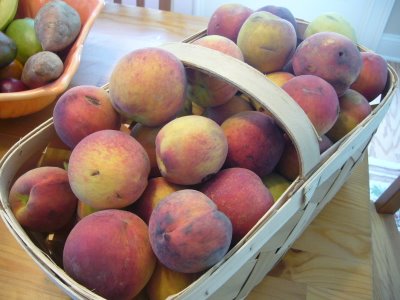 you miss out for the whole year. There are a number of things to consider when growing fruit trees. Here are some good tips to help you along your way.
site conditions
Ideally, You would want about 7-8 hours of direct morning and mid-day sun with some filtered shade in the afternoon on a well drained site with irrigation. It is rare to have all these conditions line up and the trees don’t require all these to be exactly perfect. You will need at least 5-6 hours of direct sun to expect decent fruit production. A well drained site is mandatory. Any tree will die if it has wet feet for 3 weeks or more. And, you can get by without irrigation, but this is one of the most common problems I run into. During wet years there is no problem, but don’t expect any fruit during drought years if you are not watering regularly.
pruning
There are really just a few things you need to know about pruning fruit trees for production. One, don’t strip interior sucker growth, even if it’s growing prolifically. This usually happens if the trees is stressed. The tree only grows this additional foliage if additional energy production is needed. Removing all this growth can have a very negative [pe2-gallery class=”alignleft” style=”margin:4px;” ]
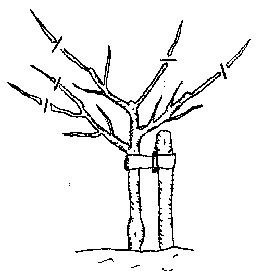
 [/pe2-gallery]impact on an already stressed tree. Location of the sprout growth can give you an indication of where the tree is having problems sometimes. The only pruning that you need to do is to top the tree every few years. This does a couple things. It makes the fruit easier to harvest; reduces weight of the canopy so it is less likely to break limbs when they are weighted down with fruit; and keeping the size of the tree small will extend its lifespan. Although, this type of pruning is beneficial, it is a stress to prune this severely. The pruning needs to be done in the dormant season (January is a good month). Don’t cut them back every year; every 2-3 years is ideal. And, don’t cut them back to the exact same spot. Alternate the height you cut back to shorter and higher.
fertilization
Fertilizing is a complicated subject. You should definitely read my series of articles on tree fertilizing (you can find them by clicking on “fertilize” in the category sidebar). In addition to the normal regimen I would do for any tree, additional nitrogen should be applied during fruit setting period (right after flowering) and again 3 weeks later. This will help produce larger fruit. Foliar applications of water soluble fertilizers can have a more dramatic effect on fruit production.
cultural
- You need to keep your fruit tree’s site clean. The number one attraction for disease and insect is rotting fruit and debris on the ground. Rake away and pick up any litter dropped by the tree on a regular basis.
- Keep the soil irrigated and insulated. The exact amount of watering will vary based on your specific site conditions. Fruit trees don’t need anything beyond what other trees need. Read my watering articles if you are unsure about how to water. The soil can be insulated by anything: mulch, decomposed granite, gravel, turf, etc. The main thing is that the ground be insulated from the sun so that it doesn’t dry out too fast.
- Thin the fruit if you have too many set after flowering. A tree can only support so many fruits. If we have a wet spring and dry summer you’ll wind up with more baby fruit than the tree can support and it will probably abort all of them. If you haven’t been getting any crop and don’t have a feel for what your tree can support, start with only allowing about 10-12 fruits to develop and increase this annually until you get a better feel for what your tree can do.
things to know
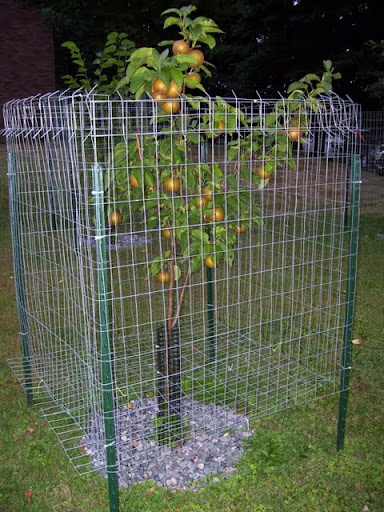
- Squirrels and birds like the fruit just as much as you. Expect this battle. The most frustrating thing about the wildlife is that they usually take one bite out of each fruit and throw it on the ground ruining your entire crop for the year. I’m not a wildlife specialists so I can’t give you any sure fire methods for protecting your yeild.
- Fruit trees are messy. You will wind up with a stinky rotten mess if you fail to keep up with cleaning.
- You need to treat your orchard as one of your primary hobbies. Insect and disease attacks come on all the sudden and you’ll need to be watching daily for early signs before your treasures are destroyed. If you don’t have a green thumb expect a long learning curve. Because most fruit trees only make one batch of fruit per year you only get one lesson per year :-/.
conclusion
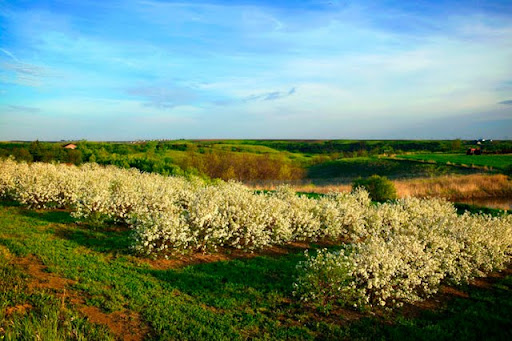
This is a fun, but intense hobby. The rewards are great but so are the labors. If you are having some problems leave a comment below and I’ll help as best I can.