
Cypress trees are my personal favorite group of conifers. The five cypress trees I’ll discuss here are very different in appearance. I see a lot of amateur gardeners try to identify conifers based on leaf type, but this doesn’t work. It’s the seeds that give them away. There are two genera of the cypress family that do well in central Texas that I’ll be discussing in this article: Cupressus (Arizona, Italian and Leyland) and Taxodium (Bald and Montezuma). The two groups have very different foliage. Cupressus have scale like foliage much like most junipers and Taxodium have oppositely arranged needles along branchlets.
Here we go, these are the best cypress for the Austin area.
Bald Cypress
Taxodium distichium
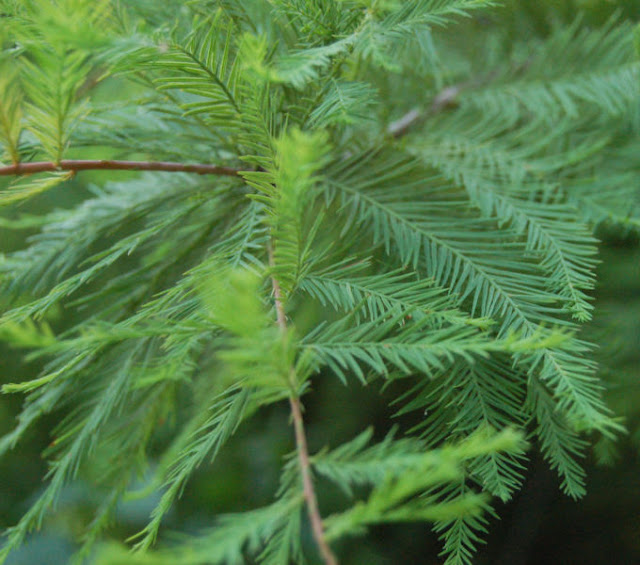
There are only a few species of trees in central Texas that are capable of out-living several generations of people, this is one of them. And, the bald cypress is the only cypress native to central Texas. Growth rate is slow to moderate and the planting site must be located near a creek or spring to survive into maturity. In urban and suburban landscapes, the bald cypress can be good for areas that don’t get proper drainage. Thriving in poor drainage is a very unique characteristic of the bald cypress. Most cypress (all trees for that mater) are intolerant of poor drainage and will die if completely saturated for three weeks. It is important to note that an irrigation system will not and can not replace a creek. The bald cypress has no real insect or disease problems and needs very little pruning and maintenance. Deadwood removal is the only pruning they need. The leaves are decidious (another rare characteristic of conifers) that form two horizontal ranks along branchlets.
[pe2-gallery class=”alignleft” style=”margin:4px;” ]
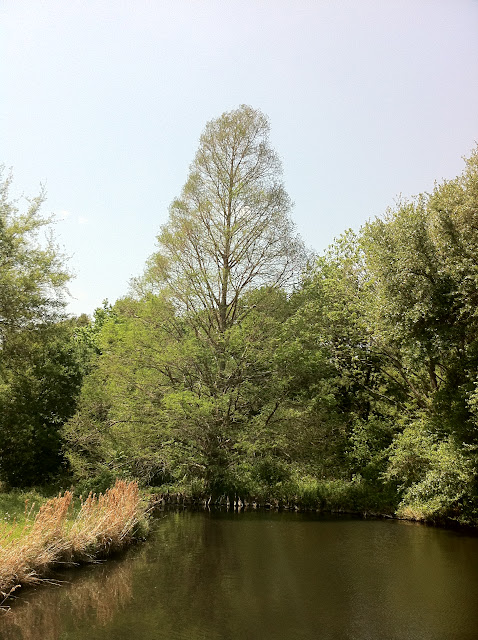
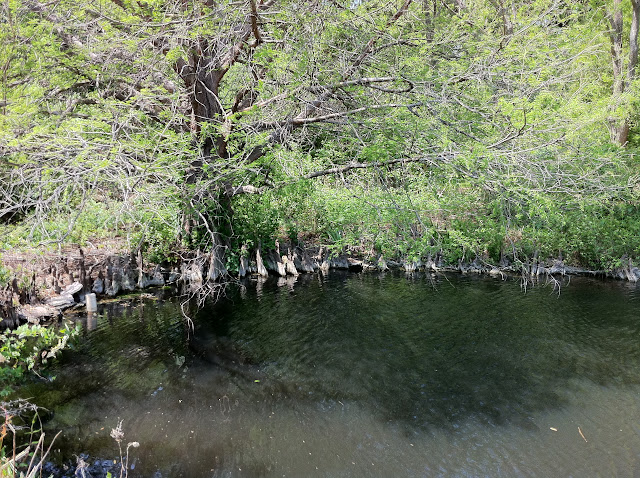
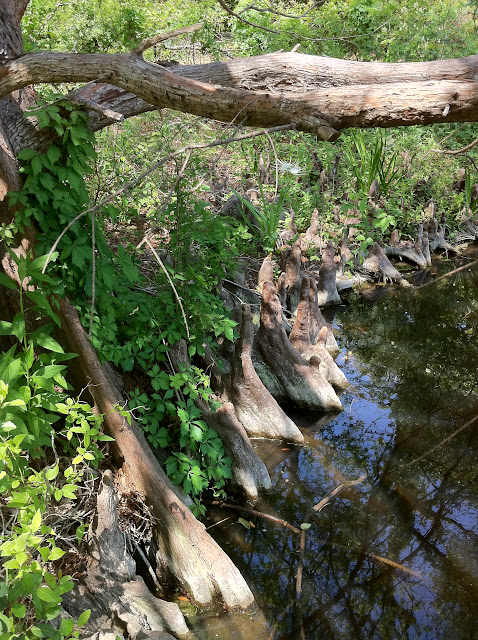
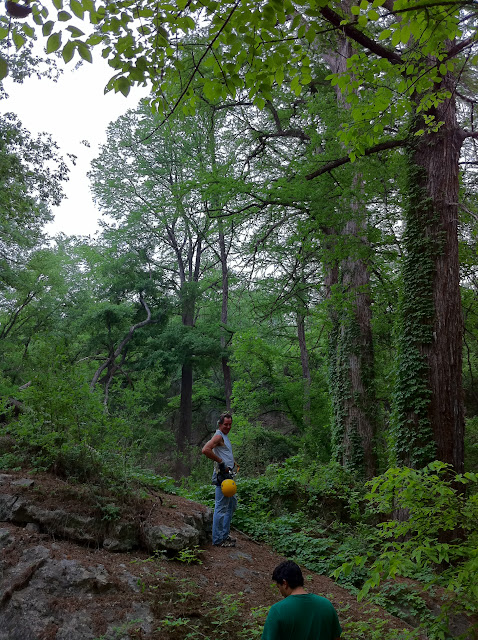
 [/pe2-gallery]
Montezuma Cypress
Taxodium mucronatum
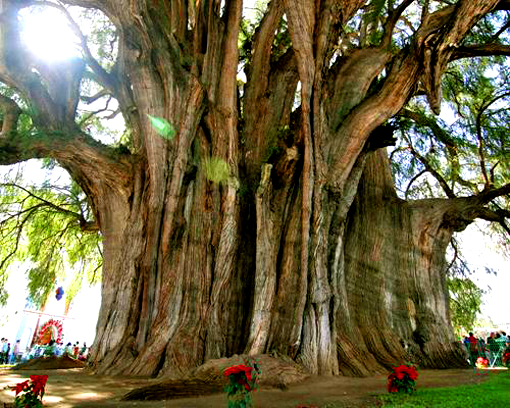
The montezuma cypress is nearly identical to the bald cypress in appearance. There are a few main differences:
- Montezuma cypress is less likely to produce “knees”, above ground roots for anchorage and oxygen absorption
- hold foliage longer into fall and winter, bringing more greenery into the winter months
- faster growth rate
- darker green foliage
The Montezuma cypress might be a better tree to plant in an urban landscape than the bald cypress. Although I hate to recommend a non-native over a native tree, the better growth rate and reduced likelihood for knees are significant considerations in most landscapes. Montezuma cypress is native to several parts of Mexico. See the map below to for it’s natural distribution. There is a beautiful specimen near the Pflugerville recreation center if you want to see one for yourself.
Italian Cypress
Cupressus sempervirens
Italian cypress are very different that other trees in terms growth form. They have a very columnar growth habit which lends them well to planting in tight spaces. Italian cypress are also coveted by landscape designers for accenting building faces. Their shape does a good job of softening architecture without covering it up. Italian cypress require lots of sun exposure; afternoon sun is best. Drainage is very important, they will not tolerate wet feet. Italian cypress need well drained soil (like a rocky slope) and good irrigation. [pe2-gallery class=”alignleft” style=”margin:4px;” ]
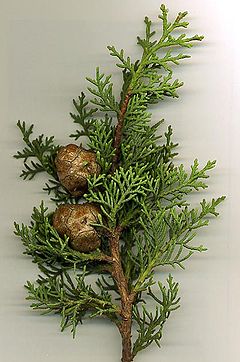
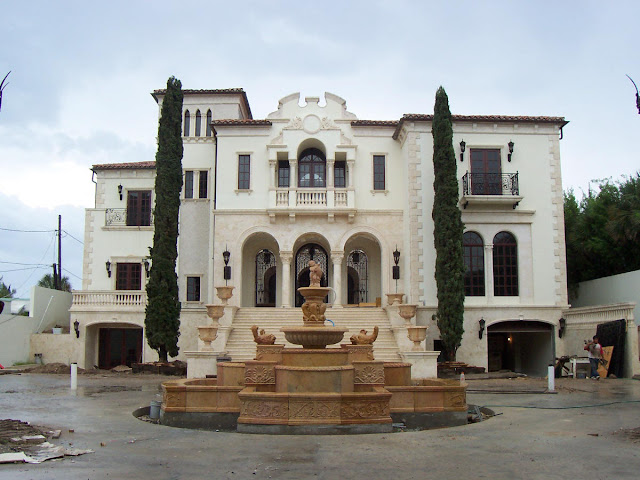 [/pe2-gallery]Their foliage are scales, very typical in appearance for members of Cupressus and other junipers. Italian cypress is native to the Mediterranean region; in many places it is known as the Mediterranean cypress. Although narrow/columnar in growth form, Italian cypress grow to over 100 feet tall in their native environments. This is important to remember when planting near your house for accent. If you plant too close, the tree will have to be removed prematurely. In the Mediterranean, this tree can live for a thousand years; I have seen a few specimens in the Austin area that are over 30 years old and thriving. Those specimens are 50′ tall and growing. I believe the Italian cypress may be able to live a normal life cycle in central Texas. The exact origins of the italian cypress are not certain. For sure, they are from the Mediterranean region in eastern europe, but that area has be shaped by culture over a very long period of time which makes it difficult to track original origins. The italian cypress is capable of growing in nearly any environment in terms of soil type and temperature.
Arizona Cypress
Cupressus arizonica
Arizona cypress is one of my favorite evergreen trees for the Austin / central Texas area. In my experience, the Arizona cypress is more reliable in the urban landscape than most of the other conifers. Arizona cypress distribution is closely related to forest fires in its US distribution. The Arizona cypress cones require fires for the seeds to germinate. This makes them one of the first trees to sprout up after devastating fires. It is believed they would be a more prominent tree of our forest if they were better able to compete as young saplings in the natural ecosystem without the help of forest fires. Once established with the help of cultivation, these trees are very successful in central Texas. There are several varieties available commercially with different foliage color ranging from silvery blue to conventional green. The blue varieties stand out beautifully in other wise mono-green landscapes.
[pe2-gallery class=”alignleft” style=”margin:4px;” ]
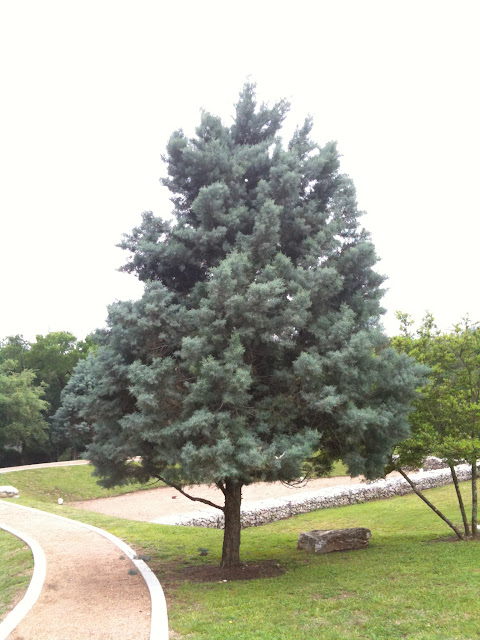
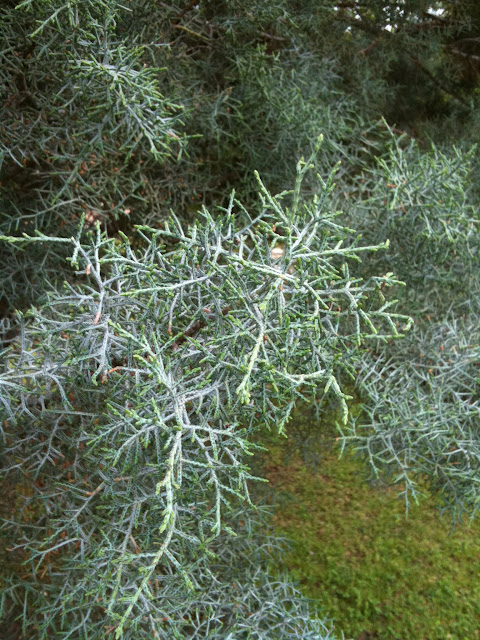
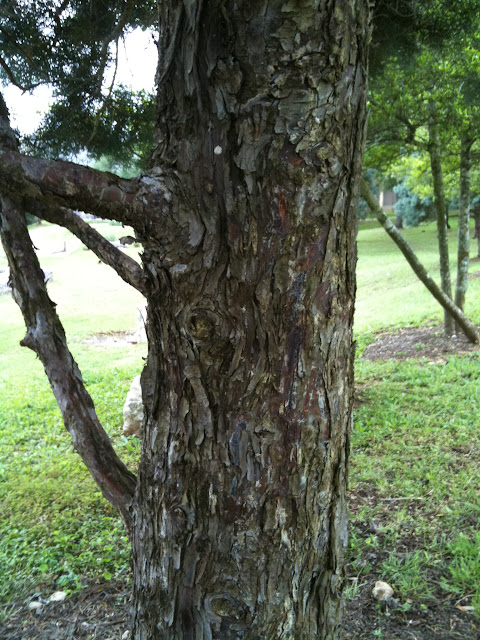
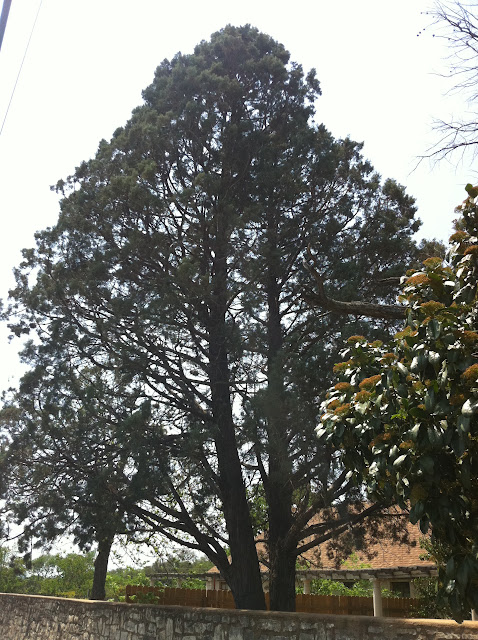 [/pe2-gallery]
Leyland Cypress
Cupressus leylandii
One interesting thing about leyland cypress is that they are not indigenous to anywhere in the world. They were invented at an English manor in the 1800’s. Also, you won’t find any cones or seeds on a leyland cypress. They are sterile so all leylands are grown from cuttings. Today, leyland cypress are one of the most widely distributed trees in existence. Of all the cypress, I experience more trouble with these. Proper drainage, adequate irrigation and good soil are required. Don’t even consider them unless you personally put in a few feet of high quality garden soil. Expect to maintain regular fertilization, insect and disease control. These trees are mostly popular with English enthusiast who want to recreate old manor settings and for individuals looking for good screening shrubs. I’d suggest looking elsewhere if you just need a good screen.
Distribution Map
bald cypress | arizona cypress | montezuma cypress