
Every now and then I like to do a fun climb. It really is a relaxing and peaceful thing 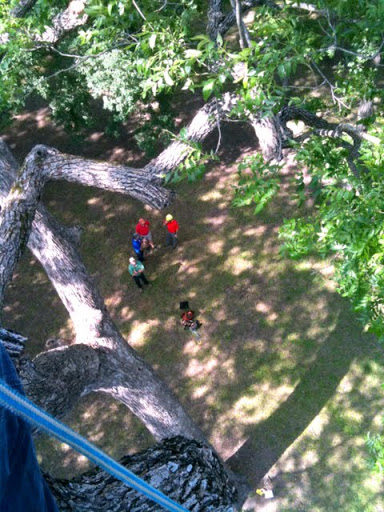 for me to do. However, I wouldn’t recommend it for the average Joe. I have all the right safety equipment and know how to (hopefully) keep from breaking my neck.
The View From Above
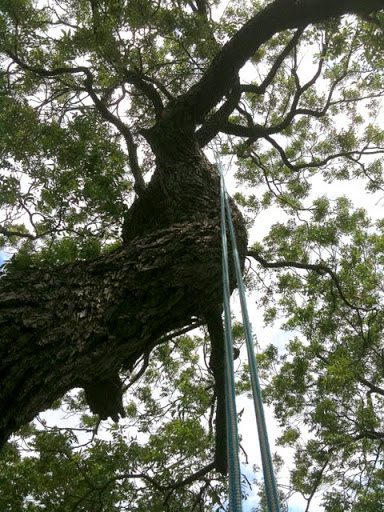
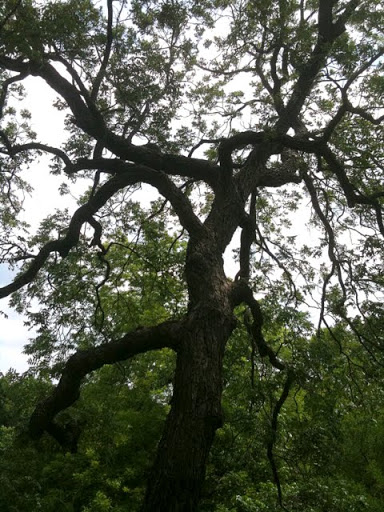
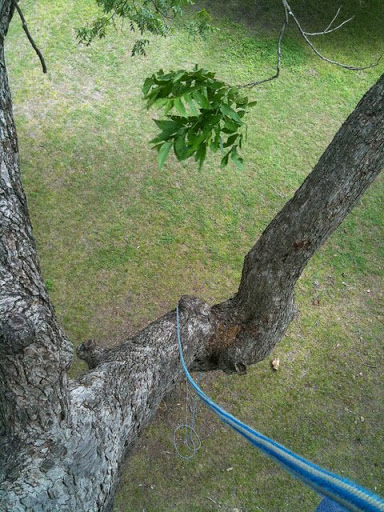
The views are really spectacular from the top of a tree. This is one of the tallest trees in Bob Woodruff Park in Plano, TX. We used this park for the 2010 Texas Tree Climbing Championships. Here are some pictures I took from the top of this big Pecan while I was getting the tree rigged up for our competition.
[pe2-gallery class=”alignleft” style=”margin:4px;” ]
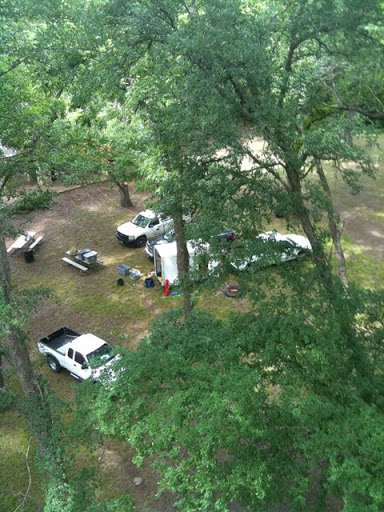
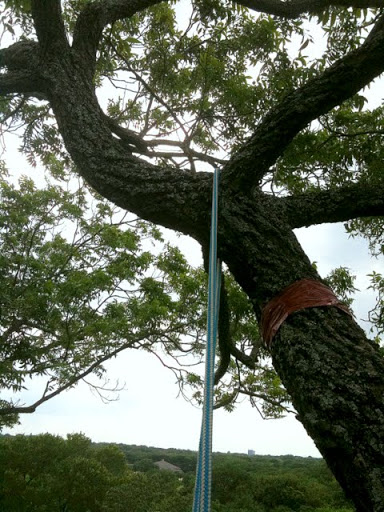
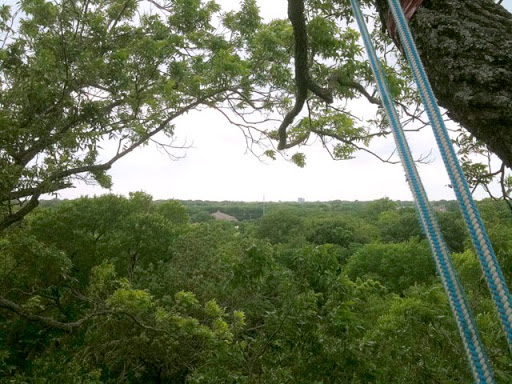
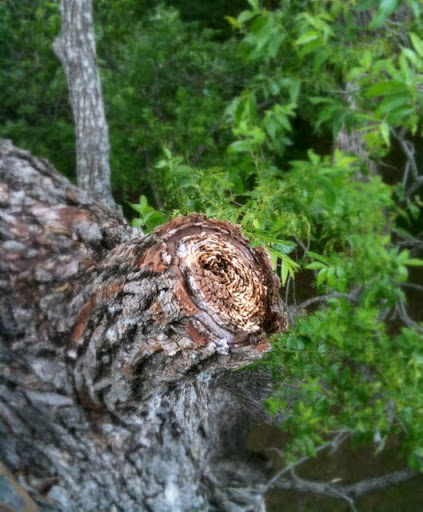 [/pe2-gallery]
Getting to the Top
The challenging part of climbing a really big tree is getting to the top. From there, climbing and swinging around is a piece of cake. And, the coming down part is just plain fun. Here is a video of a technique called footlocking that we use to get to the top of tall trees.
httpv://www.youtube.com/watch?v=a7ycQbCi3DY
This is the fastest and one of the most energy efficient methods to get up a tree, if you are good at the technique. If not, it’s really, really tiring. 10 years ago this is what I did. These days I take a slower approach. This video of Abram Zies was taken during the competition. The bell he rings at the top is measure off at 50′. This climb was done in 19 seconds!
My Gear
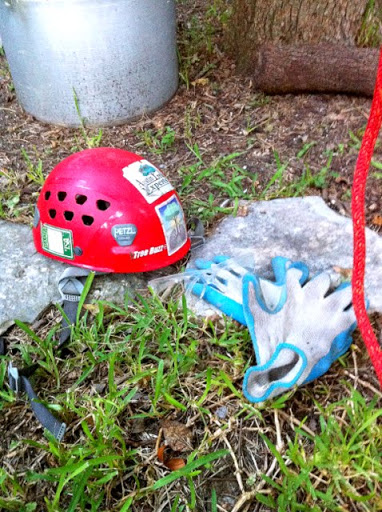
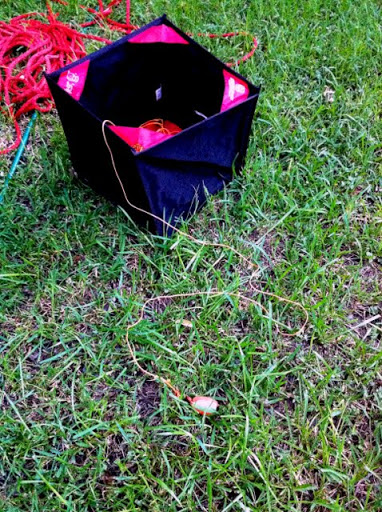
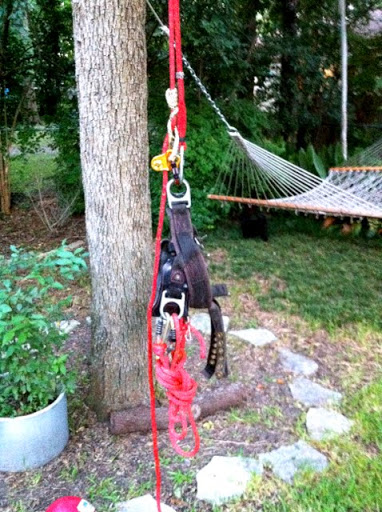
Here are some pictures of my climbing gear. This isn’t the best you can get; my crew does a good job of pillaging my gear bag from time to time so I get left over scraps. [pe2-gallery class=”alignleft” style=”margin:4px;” ]
 [/pe2-gallery]
The basic personal protective equipment is hard hat, gloves and safety glasses. Production climbers also have ear plugs, but I’m not using a chainsaw so there is no need during a fun climb. The throw line is a light weight string that is easier to sling to the top of the tree than a standard climbing rope. Once I get the throw line around the limb I want I tie on my climbing line and pull it through. The climbing hitch is a special knot tied to the climbing line that is adjustable. If left untouched, the knot binds tightly to the rope so if I fall it catches me. If I pull gently from the top of the knot it slides gently down the rope giving me more line. This is how you go down. If I pull my climbing rope from the bottom, it forces the pulley up against the knot, releases the binding on the rope and slides the knot up the rope. This is how you “tend” slack, or shorten up the rope. This is for going up.
Conclusion
Hope you enjoyed this quick look at climbing a tree. If you have any good pictures of tree climbing please share by uploading them in the comment section below.