
Arizona ash is referred to as “Arizona trash” by many people. Personally, I don’t really agree with this attitude. Don’t get me wrong, they aren’t perfect trees, but ash can grow into large trees quickly and provide significant shade from the hot summer sun that is much needed in Texas.
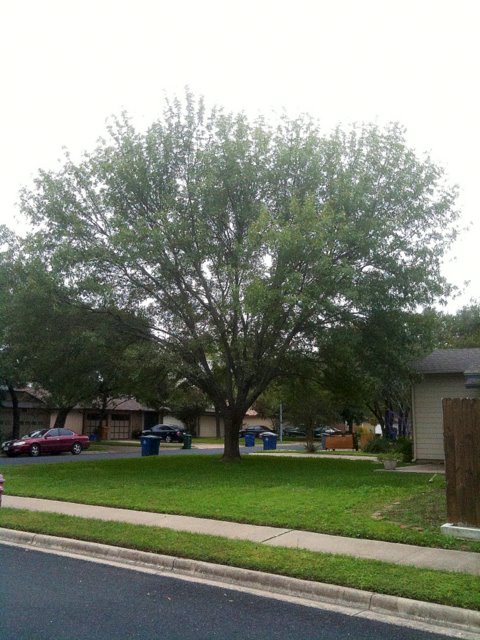


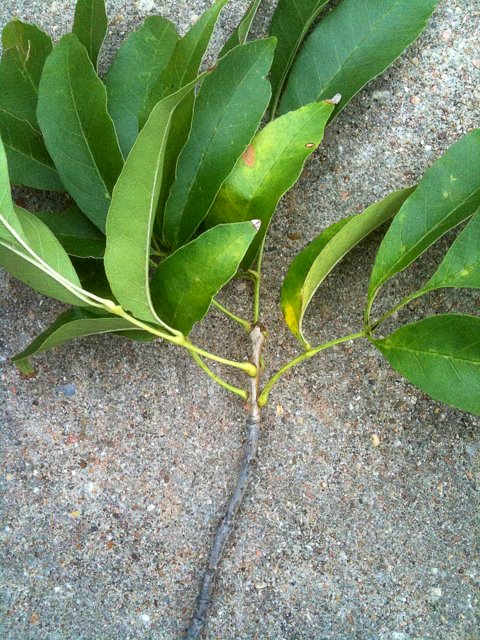
Their bad name comes from a short life span. The typical life expectancy of an Arizona ash is about 20-30 years if left up to mother nature. It is important to know that how long they live is more related to structural integrity than health or vigor. Without proper pruning from a good arborist, this tree will start to experience limb failure sometime around year 15-20. Once the first limb breaks out it is a domino effect. That wound begins to decay which makes the rest of the tree weaker. Before you know it there isn’t enough canopy left to consider it a functioning tree. Arizona ashes need trimming about every three years to help avoid this problem. And, defective joints should be cabled or braced. If you do keep up with maintenance, these trees are capable of living 50 years.
Aside from pruning needs, Arizona ash trees don’t need much else most of the time. The only two common ailments I run into with Arizona ash are borers and anthracnose. Borers are beetle larvae that feed on the vascular system of the tree. Anthracnose is a foliar disease that usually rears its head in the early spring. Borers can be very problematic, however there isn’t much you should do to prevent them. Anthracnose is comparable to the flu. It’s not good and really drags down the tree, but it’s not the end of days when the tree gets it. The best things to do to avoid insect and disease problems is to maintain good irrigation and fertilize appropriately.
There are a few “inconvenience” issues sometimes related to Arizona ash. They produce surface roots which can be unsightly and produce a tripping hazard. And, too near your house these surface roots can become more than a mere inconvenience causing foundation problems. Arizona ash also will produce a robust amount of seeds when they are stressed which can make them messy (but, in fairness, all trees are messy).
All things considered, an Arizona ash can make for a nice shade tree in your yard. Just don’t forget to keep up with the maintenance; they aren’t forgiving. Ashes are one of the few trees that will consistently produce vibrant yellow foliage in the fall. They are beautiful trees and their broad canopy will cast much needed shade. So before you start calling them “trash trees” give them a chance.
Update – April 28, 2010
The Austin area experienced two cold snaps late winter / early spring this year. Since Arizona ashes are some of the first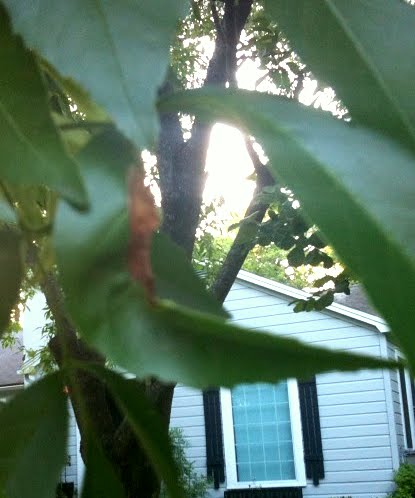 trees to start leafing out for the year, their newly emerging foliage were exposed these late freezes. As a result the trees’ leaves have many dead spots that resemble anthracnose symptoms. And, some trees were heavily defoliated. The best treatment for trees stressed by the late freeze is to engage in proper fertilization regimen and watch them closely. Many insects are opportunistic for stressed trees.